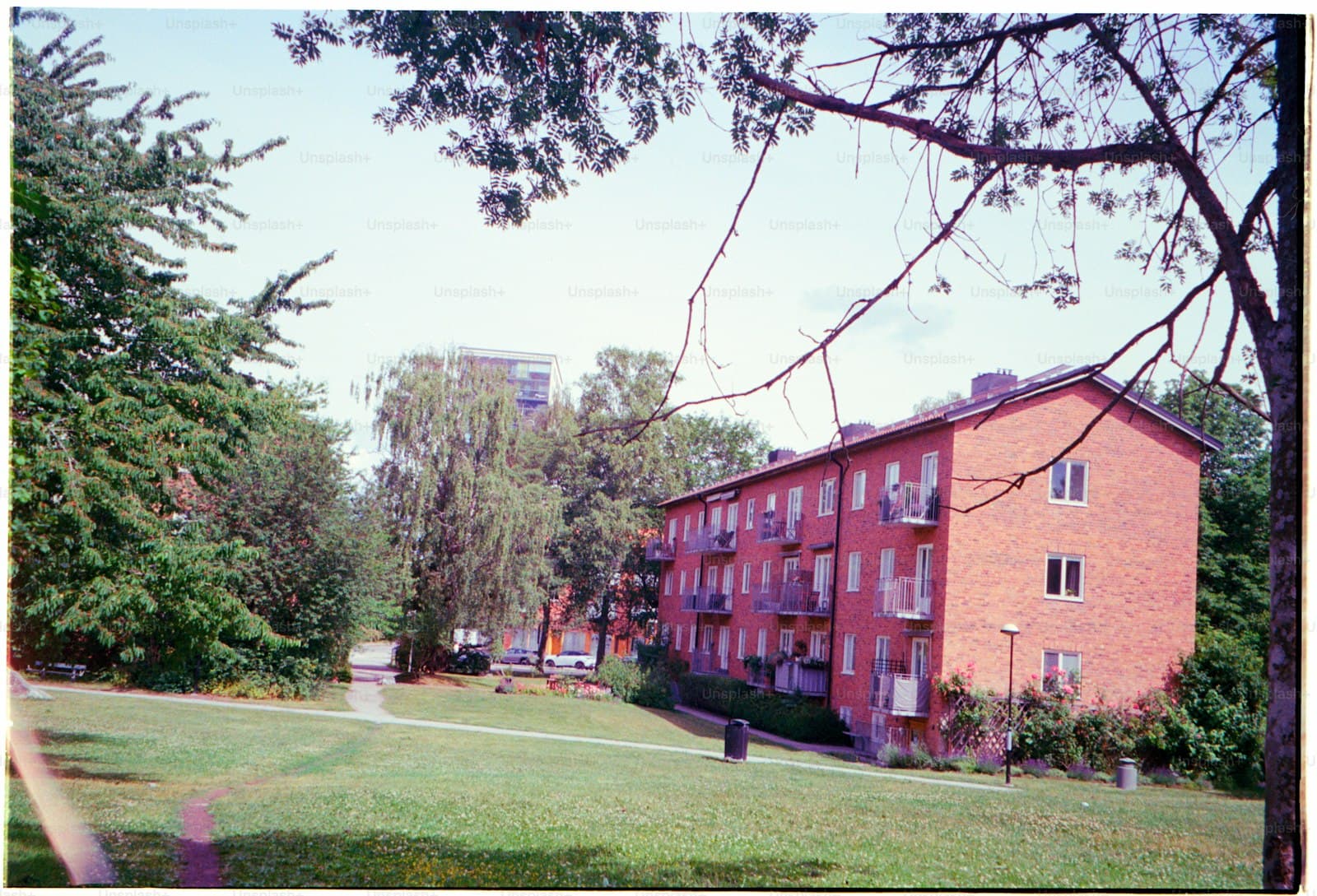
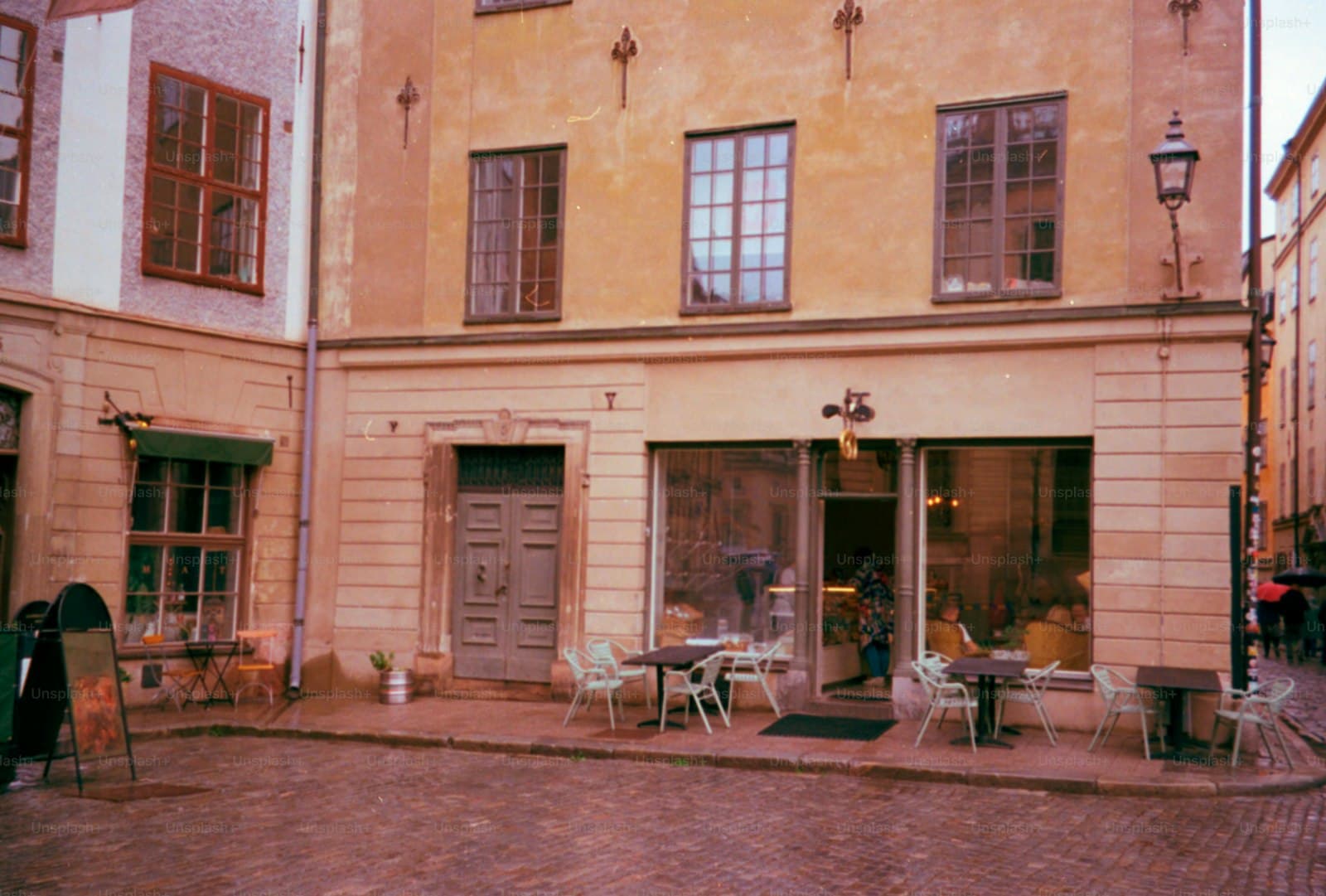
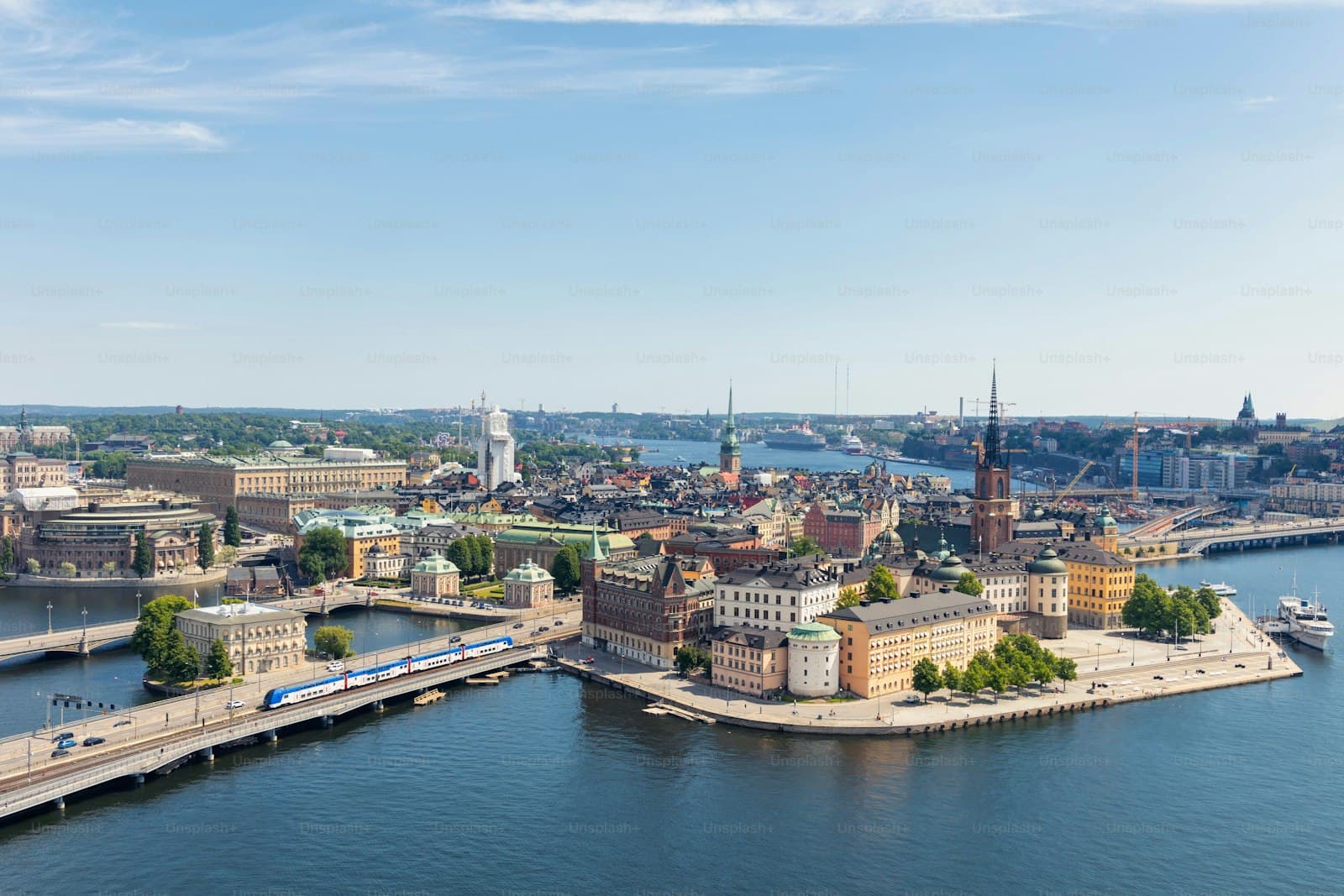
You can view a house in an hour. You cannot view what it is like to live there.
Knowing what a neighbourhood is really like to live in is one of the hardest parts of buying a home, because every source you have today is thin, out of date or selling you something. Here is why, and what Apraiz is building to fix it.
On this page5
You can learn a house quickly. An hour of viewings, a survey, a floor plan, and you know most of what you need: the rooms, the light, the state of the roof, the boiler's age. The hard part of buying a home is not the house. It is the question the viewing cannot answer, the one you only truly settle after you have moved in and it is too late to change your mind: what is it actually like to live here?
This is a plain look at why that question is so hard to answer today, why the sources you have all fall short, and what an honest answer would need to look like.
Why 'what is it like to live here' is so hard
A house is a fixed object you can inspect. A neighbourhood is a living thing you can only sample. Its character changes by the hour and the season: a street that is calm at eleven on a Sunday is a rat run at eight on a Monday; a flat that is bright in June is dark by three in December; a square that is friendly in summer is deserted and uneasy in the cold. You cannot inspect any of that in the forty minutes an agent gives you, and the things that matter most, the commute at rush hour, the winter daylight, the noise on a weekday night, the real feel of the streets after dark, are precisely the things a viewing is arranged to keep you from noticing.
The sources you have today, and why each falls short
In theory you have plenty of ways to research an area. In practice each one is compromised:
- The agent knows the area well, but is paid to sell you this home in it. Their picture is honest about the good and quiet about the rest.
- The property portal is built to move you toward a listing, not to tell you the truth about the street. Its job is footfall, not full disclosure.
- A weekend visit is a single snapshot, and usually a flattering one, because you visit when it suits the seller, in good weather, in daylight.
- Forums and word of mouth are vivid but unrepresentative: a handful of strong opinions, often years out of date, with no way to tell the typical from the extreme.
- Official statistics do exist, on crime, schools, transport and prices, but they are scattered across agencies, formats and languages, and almost nobody has the time or the training to pull them together into a picture of one street.
The information that would answer 'what is it like to live here' mostly exists. It is just scattered, out of date, or in the hands of someone trying to sell you something.
What you actually want to know
Strip away the noise and the questions are simple and human. Can I do daily life on foot, or does everything need a car? How long is the real commute, not the map's promise? How safe do these specific streets feel, and what do the figures say? How are the local schools, and how are places allocated? What does living here actually cost, relative to what people here earn? And the quiet one that decides whether you will be happy: what is an ordinary wet Tuesday like at this address? These are answerable questions. They have just never been gathered in one honest place.
The cost of guessing
Guessing is not free. A neighbourhood you misjudged shows up in your money, through slower appreciation and a harder resale, and in your daily life, through a commute you dread and a street you never warmed to. We wrote more about that in the right house in the wrong neighbourhood. The point here is that the guess is avoidable. The only reason people make it is that no one has given them a better option.
What we are building
This is the gap Apraiz exists to close. Alongside an honest, independent view of what a home is worth, we are building Apraiz Neighbourhood Insights: a straight answer to 'what is it like to live here', covering walkability, getting around, everyday shopping, cost of living, schools, quality of life and safety, each figure carrying a real source and a date rather than a sales pitch. The idea is simple: know an area honestly before you ever set foot in it, from people whose only job is to be accurate.
That is where we are starting, not where we are stopping. There is a great deal more that an honest read on a home and its neighbourhood can do, and it is worth keeping an eye on what comes next. If you want a head start today, read six questions to ask about a neighbourhood before you fall for the house. When Apraiz opens near you, checking a home's value will be free. Join the waitlist to be first to know, and to hear the moment Neighbourhood Insights reaches your city.
Common questions
How do I find out what a neighbourhood is really like to live in?
Visit more than once, at different times and in poor weather, walk the streets rather than drive them, and check official figures on crime, schools, transport and prices. The catch is that these sources are scattered and a weekend visit is only a snapshot, which is exactly the gap Apraiz Neighbourhood Insights is built to close.
Why can't I just trust the estate agent or the property portal?
Both can be useful, but neither is neutral. The agent is paid to sell you the home, and the portal is built to move you toward a listing. Their picture tends to be honest about the good and quiet about the rest, so it is worth pairing with sources that have no stake in the sale.
What is Apraiz Neighbourhood Insights?
It is a forthcoming part of Apraiz that gives an honest, independent read on what an area is like to live in: walkability, getting around, everyday shopping, cost of living, schools, quality of life and safety, each with a real source and a date. It is designed to let you understand a neighbourhood before you ever visit it.