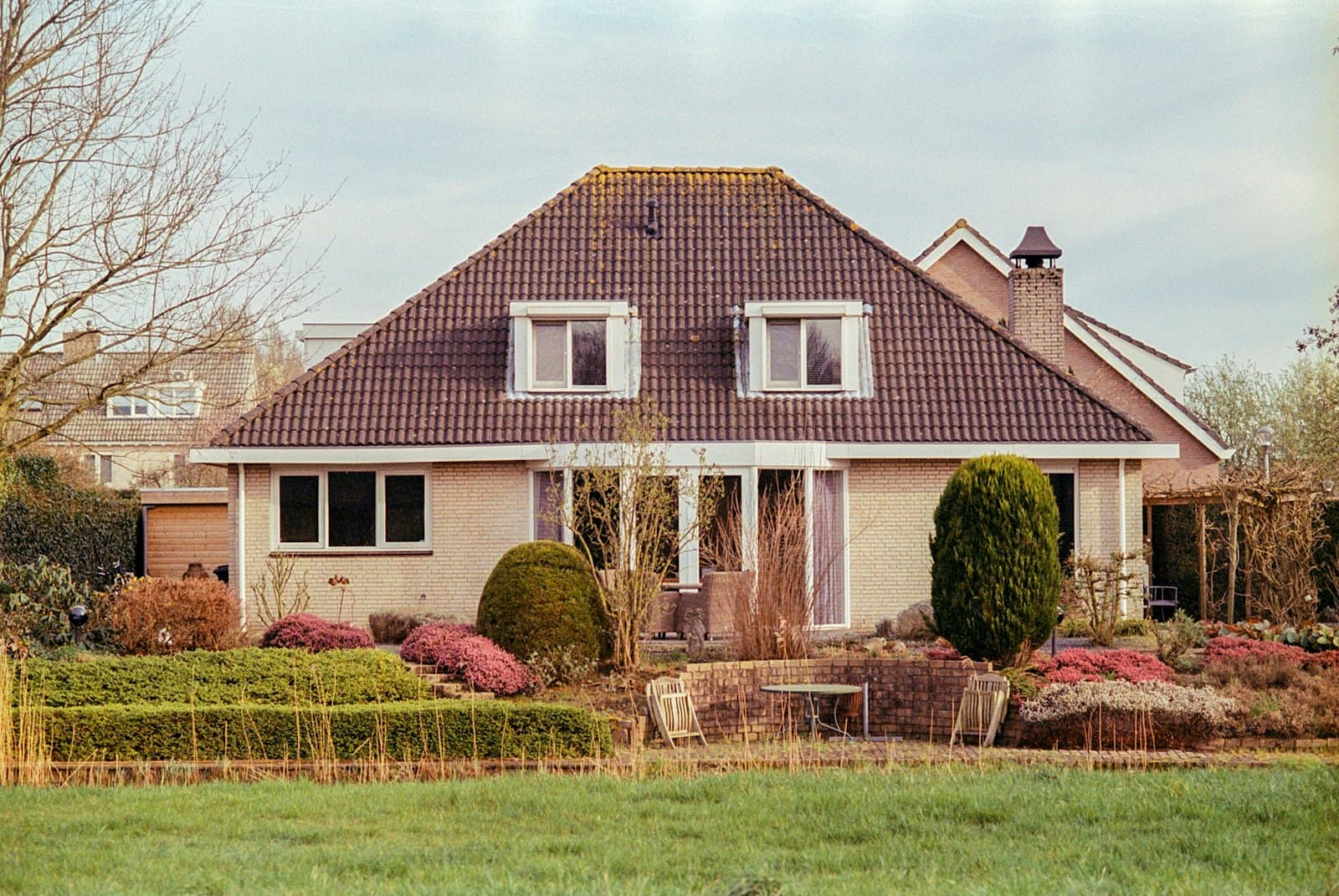
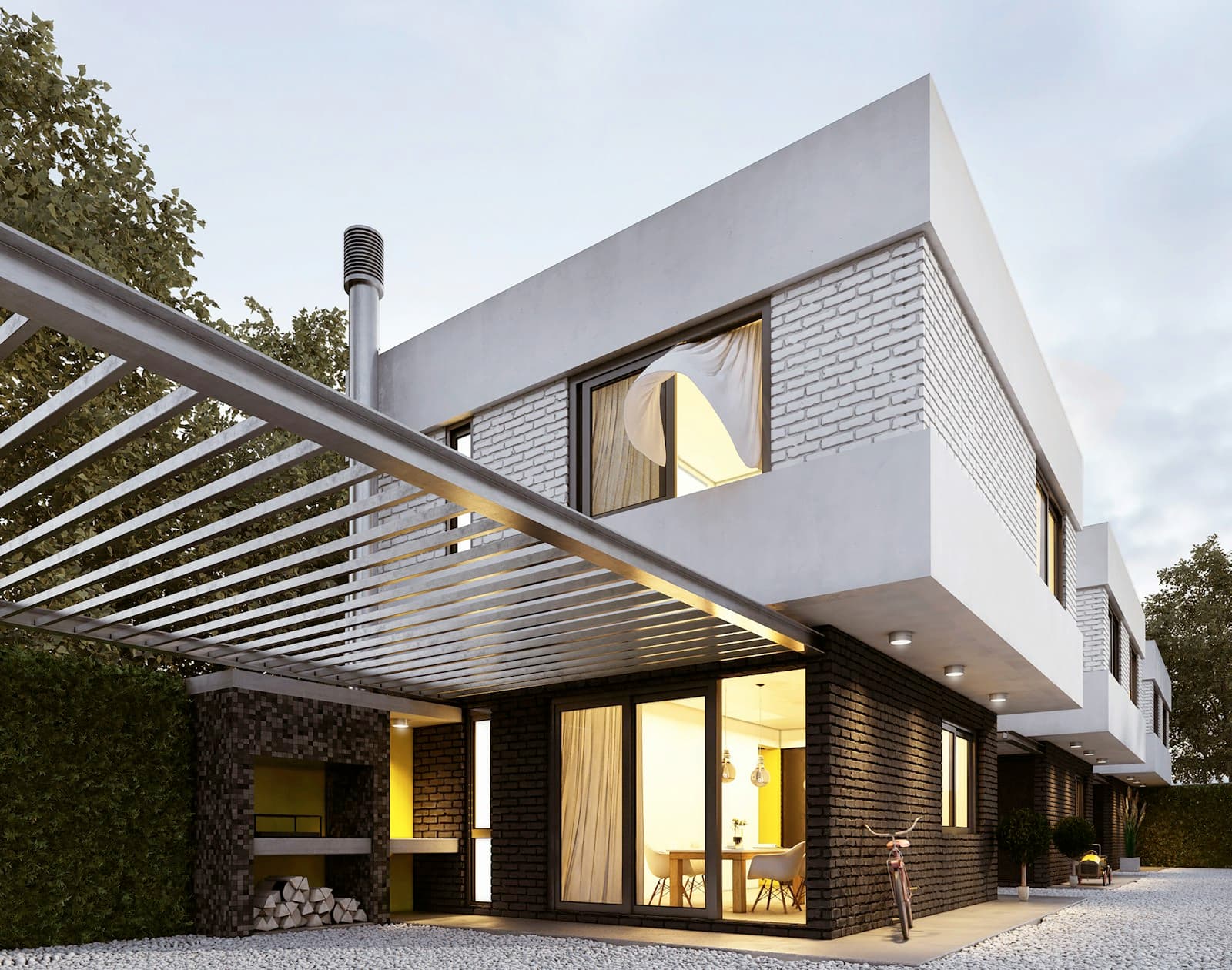
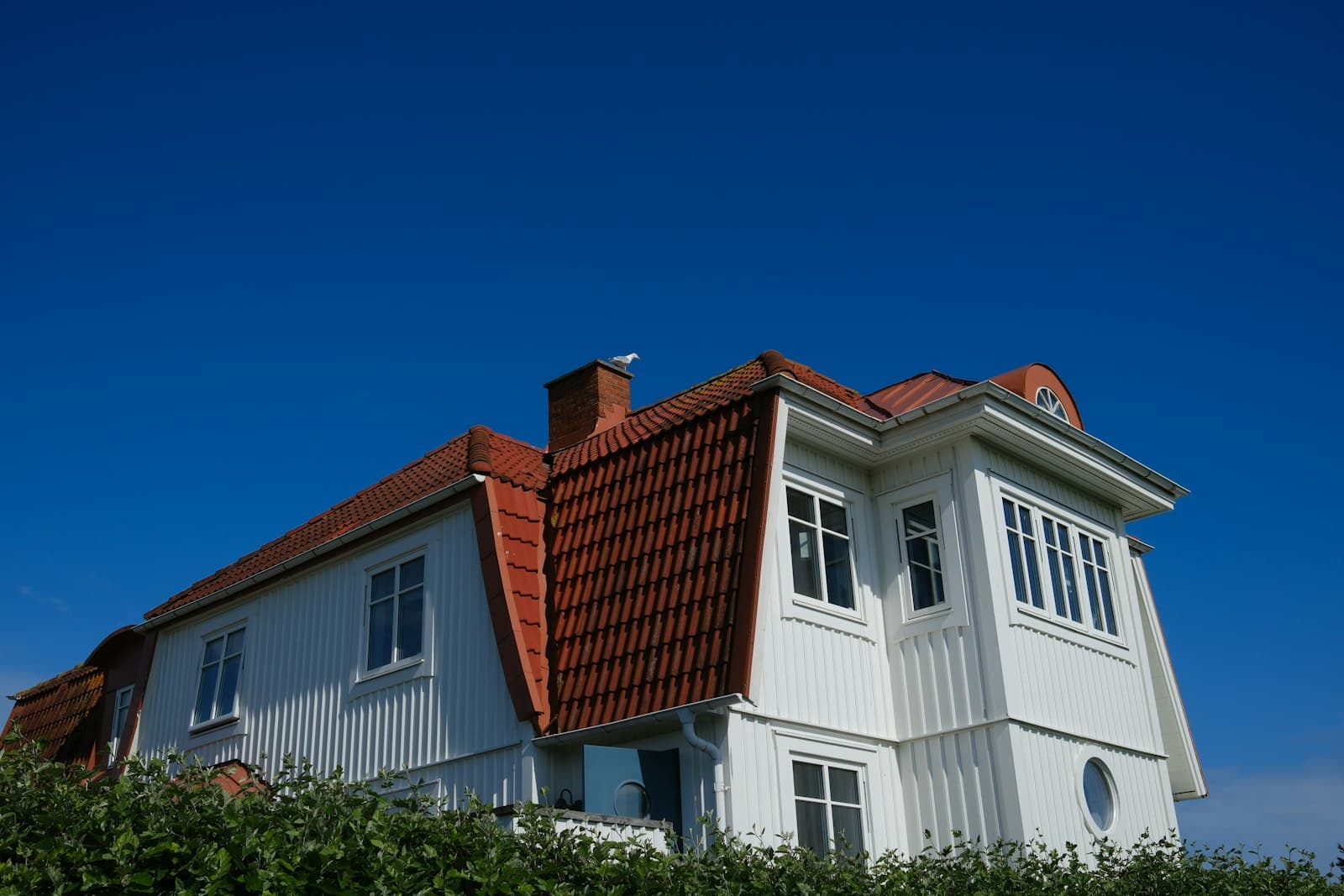
Daylight and shadows: how sunlight shapes how you live, and what a home is worth
How daylight, orientation, and overshadowing shape how a home feels and what it is worth, plus practical ways to check the light before you buy.
On this page8
- Why daylight matters for how a home feels
- Which way a home faces changes everything
- The sun moves with the seasons
- Neighbours, buildings, and trees: overshadowing
- Why light matters even more in the north
- How daylight shows up in value
- How to check the light before you buy
- Know a home's true value, light and all
Walk into a home on a sunny morning and you feel it before you think it. Light on the walls, warmth on your skin, a room that looks alive. Walk into a dark one and something in you dims too. Daylight is easy to overlook when you read a listing, but it shapes how a home feels every single day, and it quietly shapes what that home is worth.
This is a plain guide to how sunlight moves through a home, why some rooms get so much more of it than others, and how all of that feeds into value across Europe.
Why daylight matters for how a home feels
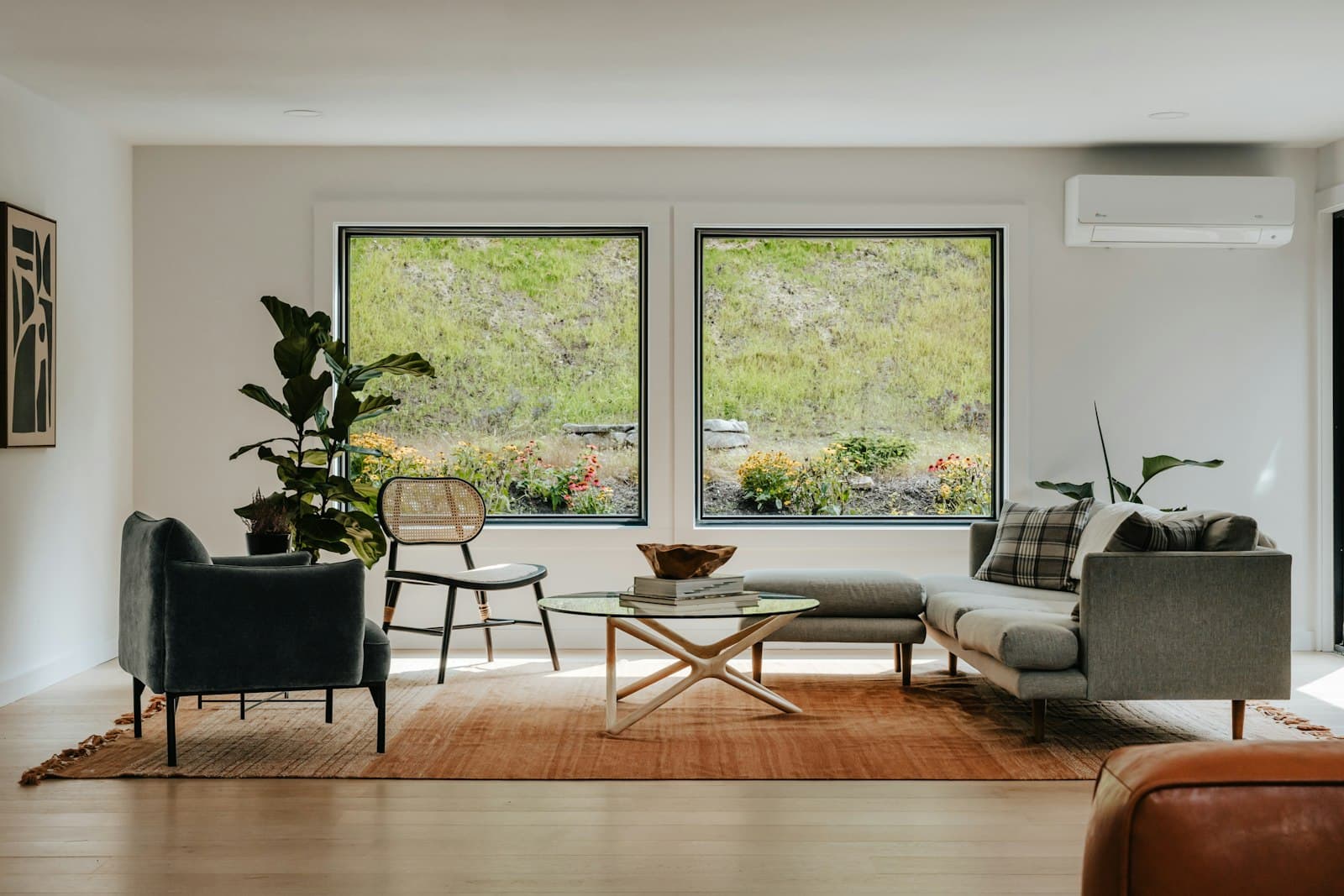
Natural light does more than let you see. It lifts mood, helps you sleep, and makes small rooms feel larger and calmer. People are drawn to bright spaces, which is why the sunniest room is so often where a family ends up spending its time.
There is a practical side too. A room that catches the sun needs the lights on for fewer hours, so you spend less on electricity. Sunlight also brings warmth: on a clear day a sunny room can sit several degrees warmer, say 3°C (5°F) warmer, than a shaded one, which takes a little pressure off the heating. Over a year, that adds up in both comfort and running costs.
A bright home is cheaper to light, a touch cheaper to heat, and nicer to be in. Buyers feel all three, even when they cannot name them.
Which way a home faces changes everything
How much sun a home gets depends first on its aspect, meaning the direction its main rooms and windows face. In the northern hemisphere, where nearly all of Europe sits, the sun tracks across the southern sky. So south-facing rooms get the most sun through the day, north-facing rooms get the least, east-facing rooms catch the morning, and west-facing rooms hold the late afternoon and evening.
That is why a south-facing living room or garden is prized, and why an estate agent will mention it if a home has one. It is also why two homes on the same street, at the same price, can feel completely different inside. One is flooded with light; the other stays grey until dusk.
The sun moves with the seasons
The catch is that the sun does not stay put. In summer it climbs high and pours light deep into rooms. In winter it stays low on the horizon, so its rays come in at a shallow angle, skim the ground, and are blocked far more easily by anything in the way. A home that feels bright in July can feel dim in January, and the winter picture is the one that tests you most.
This is why a single visit tells you so little. The light you see at noon in spring is not the light you will live with on a dark December afternoon.
Neighbours, buildings, and trees: overshadowing
Aspect only tells you where the sun should be. What actually reaches a window depends on what stands in the way. A tall building across the street, a block next door, or a big tree in the garden can throw a home into shadow for much of the day. This is called overshadowing, and it is one of the most common reasons a home that looks well positioned turns out to be darker than expected.
Overshadowing bites hardest in winter, when the low sun is easily blocked, and it can change over time. A tree grows. A new development goes up across the road. A south-facing flat can lose much of its light to a building that was not there when the last owner bought it.
Why light matters even more in the north
Everything above matters more the further north you go. In the Nordics and the Baltics, from Stockholm and Oslo to Helsinki, Tallinn, and Riga, winter days are short and the sun barely lifts off the horizon. Daylight can be down to a few hours, and much of it is soft and low. When the bright part of the day is that brief, catching it becomes precious.
In those places a well-lit home is not a small luxury, it is close to a necessity for wellbeing through a long, dark winter. Buyers know it, so aspect, big windows, and an unshaded outlook carry real weight in what a home is worth.
How daylight shows up in value
Put all of this together and the pattern is clear. Buyers tend to pay more for a bright, sunny home, and a dark one usually sells for less and can sit on the market longer. Light is one of those features people react to on a first viewing, before they have thought about anything else, and that first reaction shapes what they are willing to offer.
None of this makes a dark home a bad home. It just means light is part of the price, the same way size, condition, and location are. Being honest about it, in either direction, helps you judge whether a home is fairly priced.
How to check the light before you buy
- Visit at different times of day. Morning, midday, and late afternoon show you very different homes. If you can, come back on a grey day too.
- Ask which way it faces. A simple question to the agent or owner tells you a lot. South and west rooms hold the most light; north rooms the least.
- Look for what casts shadow. Note tall buildings, blocks next door, and large trees, and remember the winter sun sits low, so they block more than you would think.
- Think about winter, not just the viewing. A summer viewing flatters every home. Picture the same rooms in December.
You can also check the light without leaving your desk. Shadowmap is a 3D tool that shows how sunlight and shadows fall on a real address across the whole day and year, using the actual buildings and terrain around it. Type in an address and you can watch the shadows move through the seasons, which is a fast, honest way to see how bright a home really is before you ever visit, and to spot overshadowing you might miss in person.
Know a home's true value, light and all
Light is one of the things that quietly moves value. It rarely appears as a line on a listing, but it sits underneath the price, along with everything else that makes a home worth what it is. That is why it helps to know a home's true value rather than the number on the board.
Apraiz gives you one clear, independent value based on current appraisal standards, so you can see whether a home is fairly priced before you fall for a sunny morning or walk away from a shaded one. For the fuller picture, read what affects your home's value. When Apraiz opens near you, checking that value will be free. Join the waitlist to be first to know.
Common questions
Is a south-facing home really worth more?
Usually, yes. In the northern hemisphere the sun tracks across the southern sky, so south-facing rooms and gardens get the most daylight through the day. Buyers tend to pay more for that light, so a south-facing aspect is a genuine plus, all else being equal.
How much does daylight affect a home's value?
It is hard to put a single figure on it, and it varies by home and region, but bright homes tend to sell for more and faster than dark ones. Light is one of the first things a buyer reacts to on a viewing, and that reaction shapes what they offer. It matters most in the Nordics and Baltics, where winter days are short.
What is overshadowing?
Overshadowing is when a nearby building, block, or large tree blocks the sun from reaching a home's windows or garden. It is worst in winter, when the low sun is easily blocked, and it can get worse over time as trees grow or new buildings go up.
How can I check how much sun a property gets?
Visit at different times of day, ask which way the main rooms face, and look for tall buildings or trees that cast shadow. You can also use a sun and shadow simulation tool such as Shadowmap, which shows how light and shadows fall on a real address across the day and year.