What affects your home's value: the key factors
Location, size, condition, and more. A clear guide to the factors that move a home's value, and which ones you can actually influence.
On this page6
Two homes with the same number of bedrooms on the same street can sell for very different prices. Understanding why helps you read any valuation, plan improvements that actually pay off, and set realistic expectations before you buy or sell.
Location, and location within location
Location is the factor you hear about most, and for good reason. But it works at several scales at once: the region, the neighbourhood, and the exact spot. A quieter side of the same street, a better view, or a shorter walk to a station can each shift the price.
Size and usable space
Floor area matters, but usable, well-arranged space matters more. An awkward layout wastes square metres. A sensible layout, good natural light, and a room count that suits local buyers all add value beyond the raw size.
Condition and age
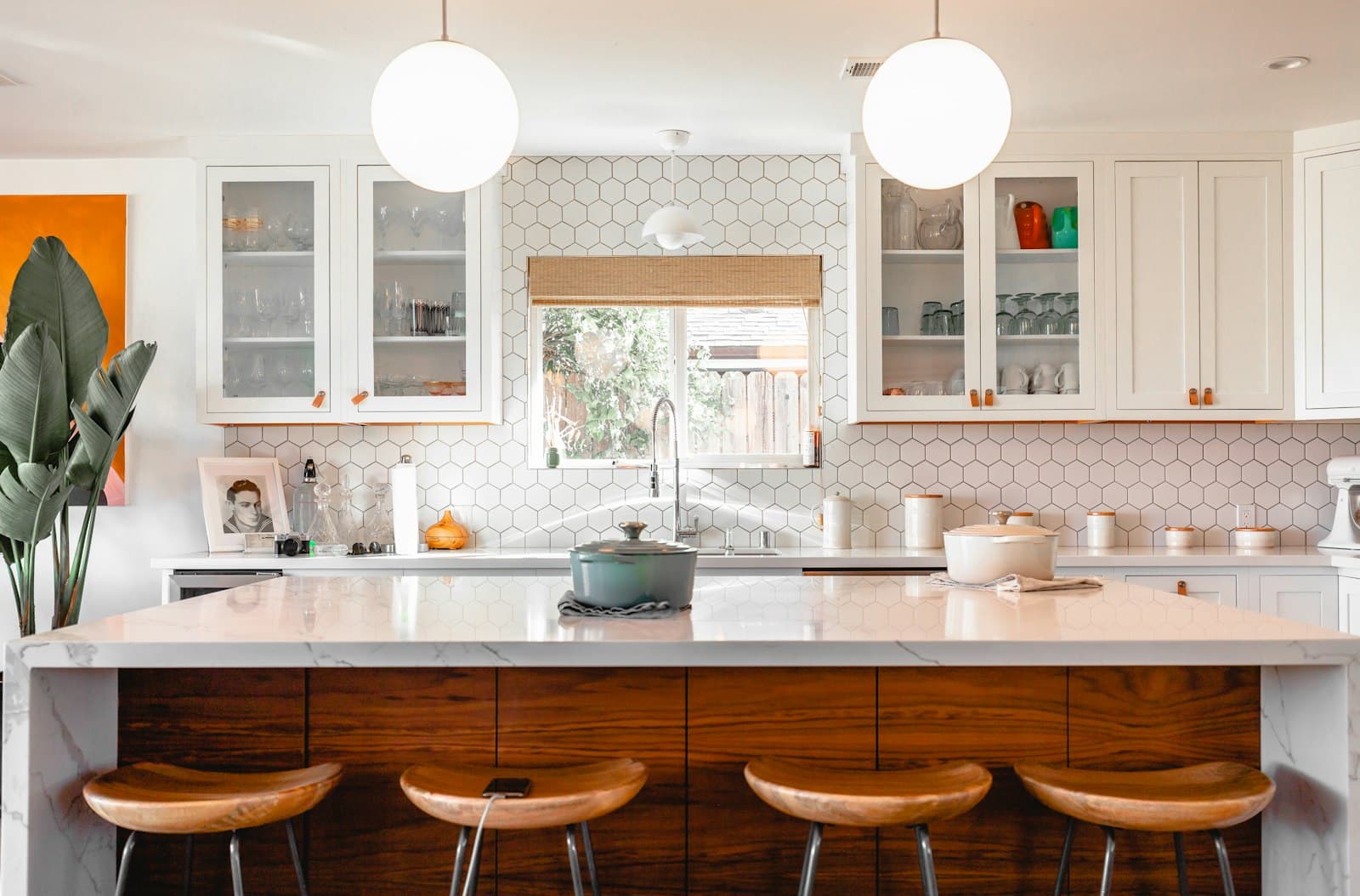
Condition is where owners have the most influence. A home that is well maintained and move-in ready commands more than one that needs work, because buyers price in both the cost and the hassle of repairs. Age matters mainly through its effect on condition, efficiency, and style.
Energy efficiency
Running costs increasingly shape what buyers will pay. Better insulation, efficient heating, and a strong energy rating lower bills and make a home more attractive, especially where energy prices are high.
The wider market
Finally, everything sits inside a market you do not control: interest rates, local supply and demand, and the season. The same home can be worth more or less depending on when it meets buyers, which is why timing your sale is worth thinking about.
You cannot move your home, but you can influence its condition, efficiency, and presentation. That is where improvement effort pays best.
What this means for your valuation
A good valuation weighs all of these together rather than fixating on one. That is why an estimate built on real evidence and consistent standards beats a rule of thumb. To see how those factors become a single number, read how home valuations actually work, or get an independent view from Apraiz.
Common questions
What adds the most value to a home?
There is no single answer, but improving condition and energy efficiency, and fixing poor layouts, tend to offer the most reliable returns. Cosmetic presentation also helps a home sell faster and closer to its full value.
Does a renovation always increase value?
Not always by more than it costs. Repairs and efficiency upgrades usually pay off; highly personal or over-specified renovations may not return their full cost when you sell.