Energy ratings and your home's value in Europe
A better energy rating increasingly adds to a home's value in Europe. What an energy rating means, how much it matters, and how to improve yours before you sell.

On this page4
A better energy rating increasingly adds to a home's value across Europe. Buyers pay attention to running costs, so an efficient home that is cheaper to heat and more comfortable to live in often sells faster, and for more, than a similar but draughty one. As energy prices and standards rise, this gap tends to widen.
Here is what an energy rating means, how much it really matters to value, and the improvements that move it most.
What is an energy rating?
Across the EU, homes carry an Energy Performance Certificate, or EPC, that grades how efficient they are on a simple scale. It is required when a home is sold or rented, and it gives buyers a quick, comparable sense of what a property will cost to run. A high rating signals lower bills and a warmer home; a low one signals work to do.
Do energy ratings actually affect a home's value?
Yes, and increasingly so. Two homes that look alike can be worth different amounts if one is far cheaper to run. Buyers factor in both the monthly savings and the cost and hassle of upgrading a poorly rated home, so efficiency shows up in the price and in how quickly a home sells. It is one of the clearer examples of what affects your home's value.
Which improvements move the rating, and the value, most?
- Insulation, in the roof, walls and floors, usually the best value for money.
- Windows and draughts, where sealing gaps and upgrading glazing make a real difference.
- Heating, from efficient boilers to heat pumps, which can transform both bills and rating.
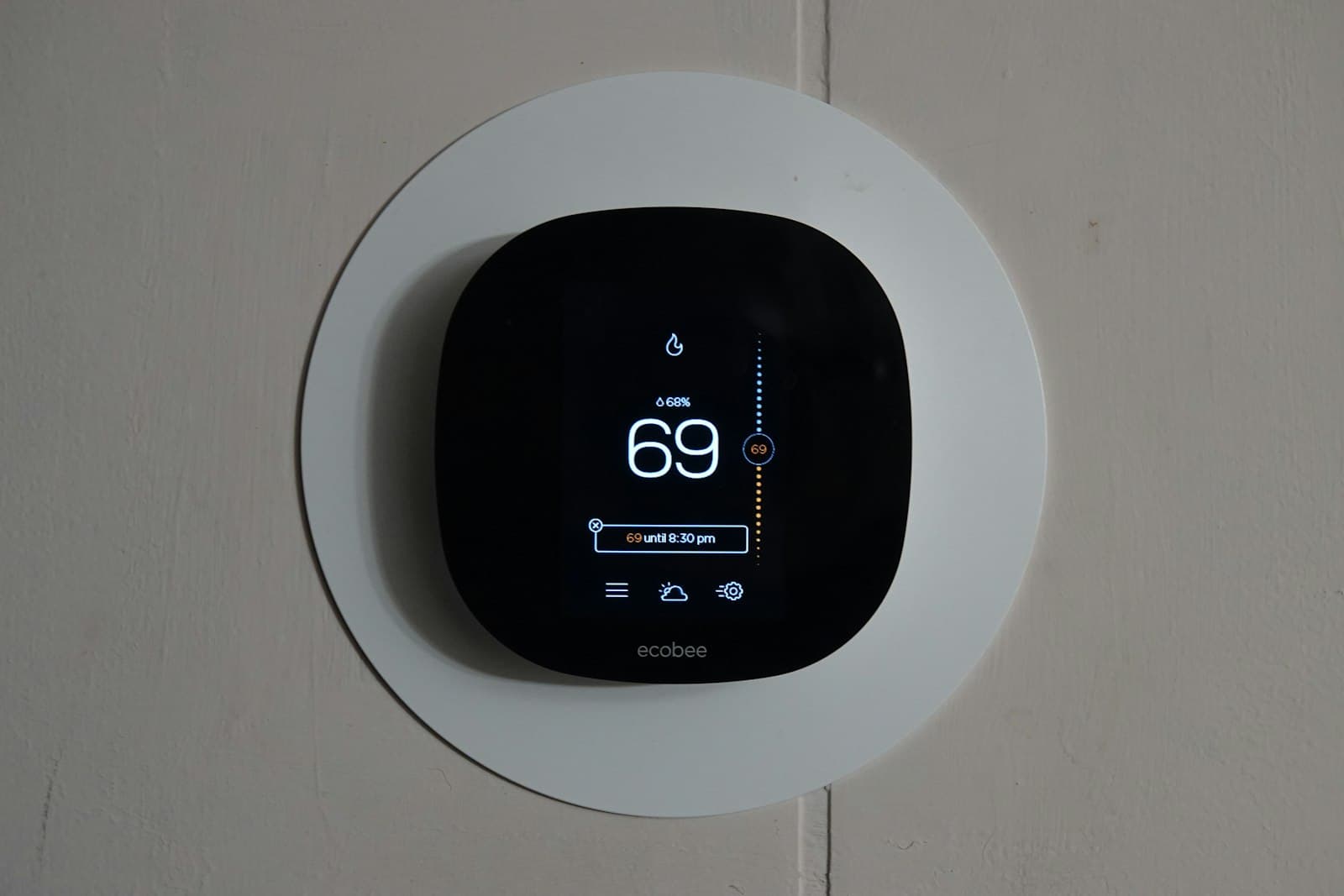
- Controls, such as smart thermostats, which help a home use only the energy it needs.
How to improve your rating before you sell
Start with the cheap, high-impact fixes: draught-proofing, insulation and controls, then consider bigger upgrades if the numbers stack up. Keep evidence of the work, since it supports both your rating and your asking price. When you come to sell, anchor that price to an honest valuation, as we explain in how to value your home before you sell.
An efficient home is worth more because it costs less to live in. With Apraiz, you will be able to reflect improvements like a better energy rating in your home's value.
When Apraiz opens near you, checking an honest, independent value, including the effect of upgrades like these, will be free. Join the waitlist and we will let you know.
Common questions
Does a better energy rating increase a home's value?
Generally yes. A more efficient home is cheaper to run and more comfortable, so buyers tend to pay more for it and it often sells faster than a similar but poorly rated home.
What is an EPC?
An Energy Performance Certificate grades how energy-efficient a home is. It is required across the EU when a property is sold or rented, and gives buyers a quick, comparable measure of running costs.
What is the cheapest way to improve my energy rating?
Draught-proofing, insulation and heating controls usually offer the best value. Bigger upgrades like new glazing or a heat pump help more but cost more.