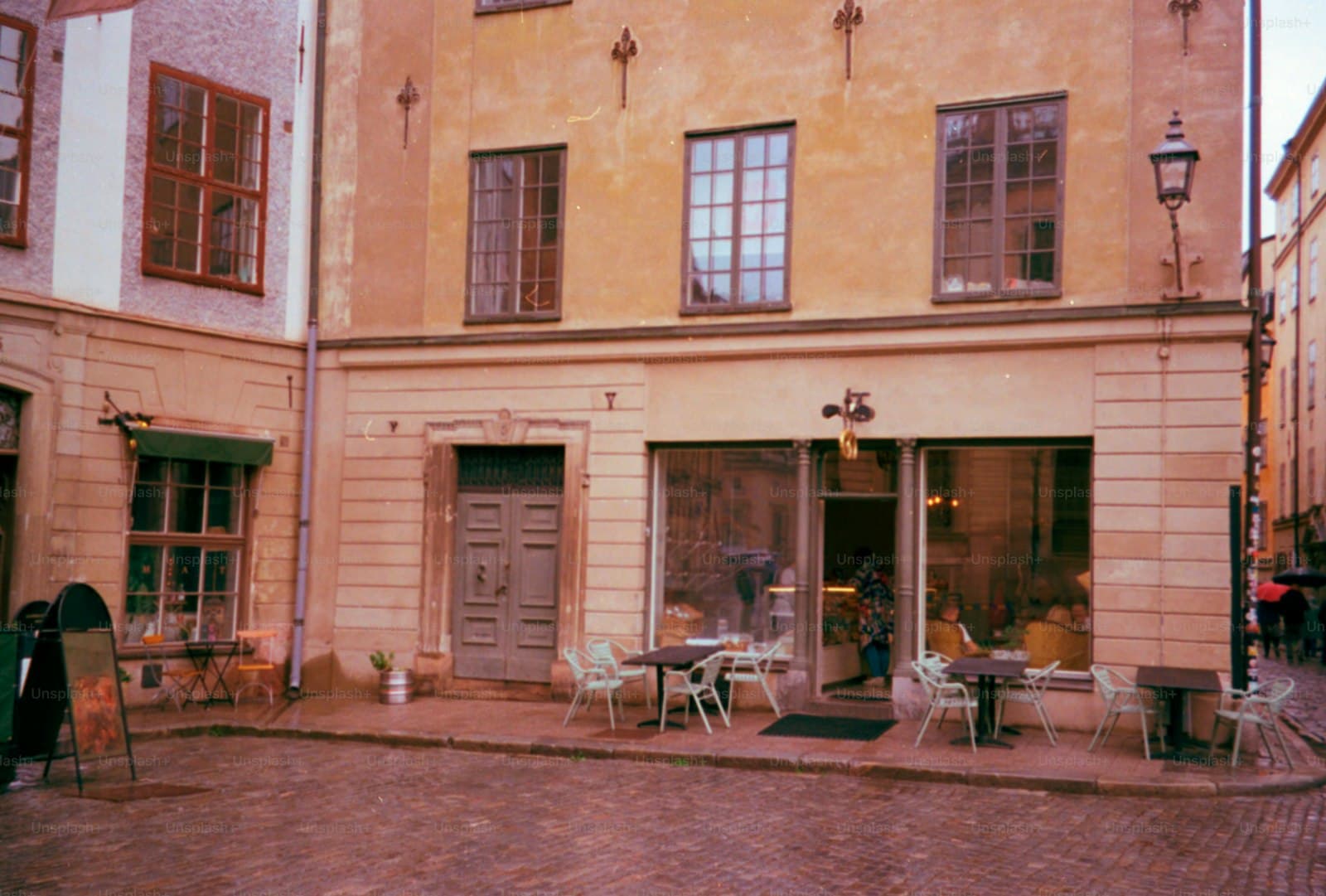
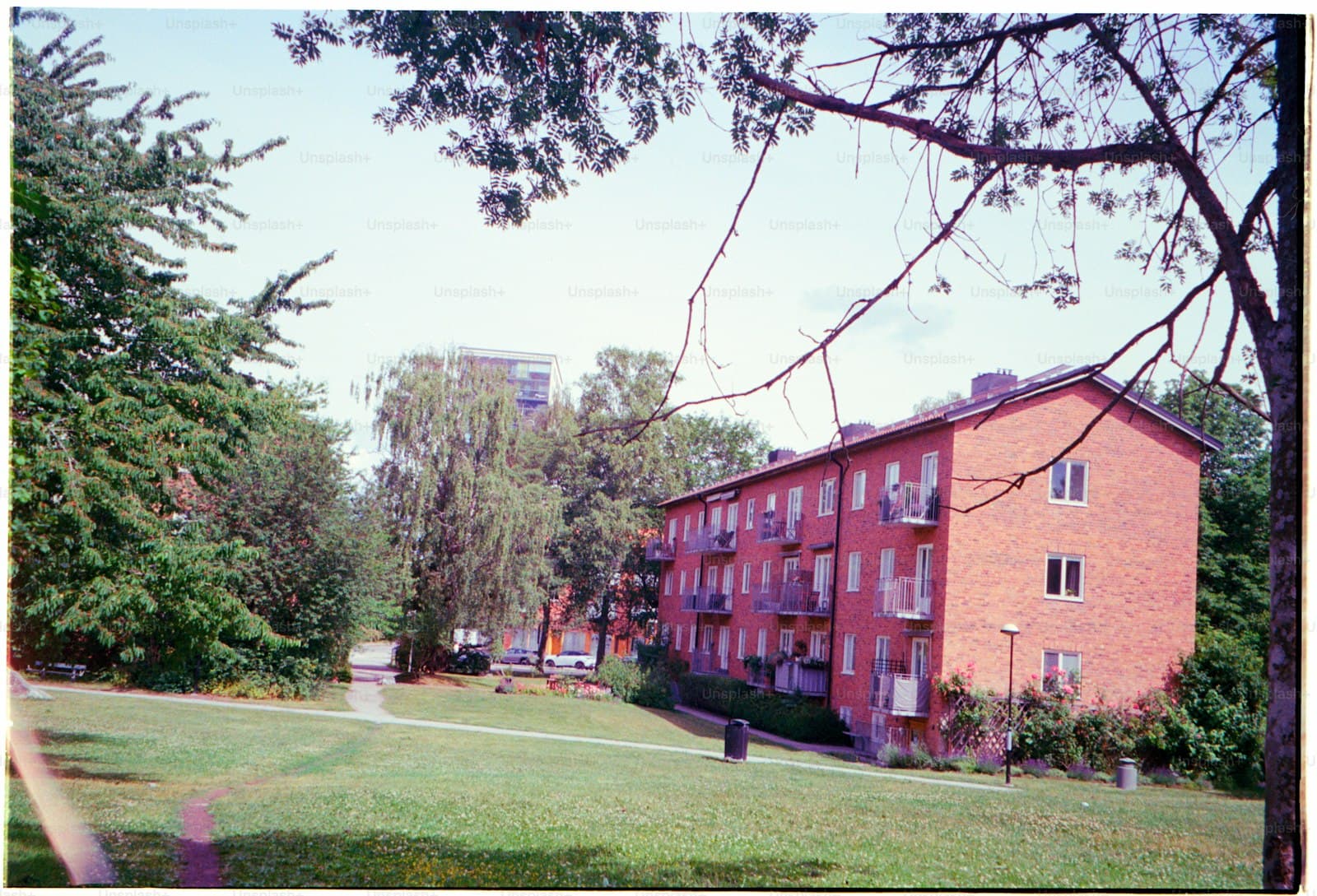
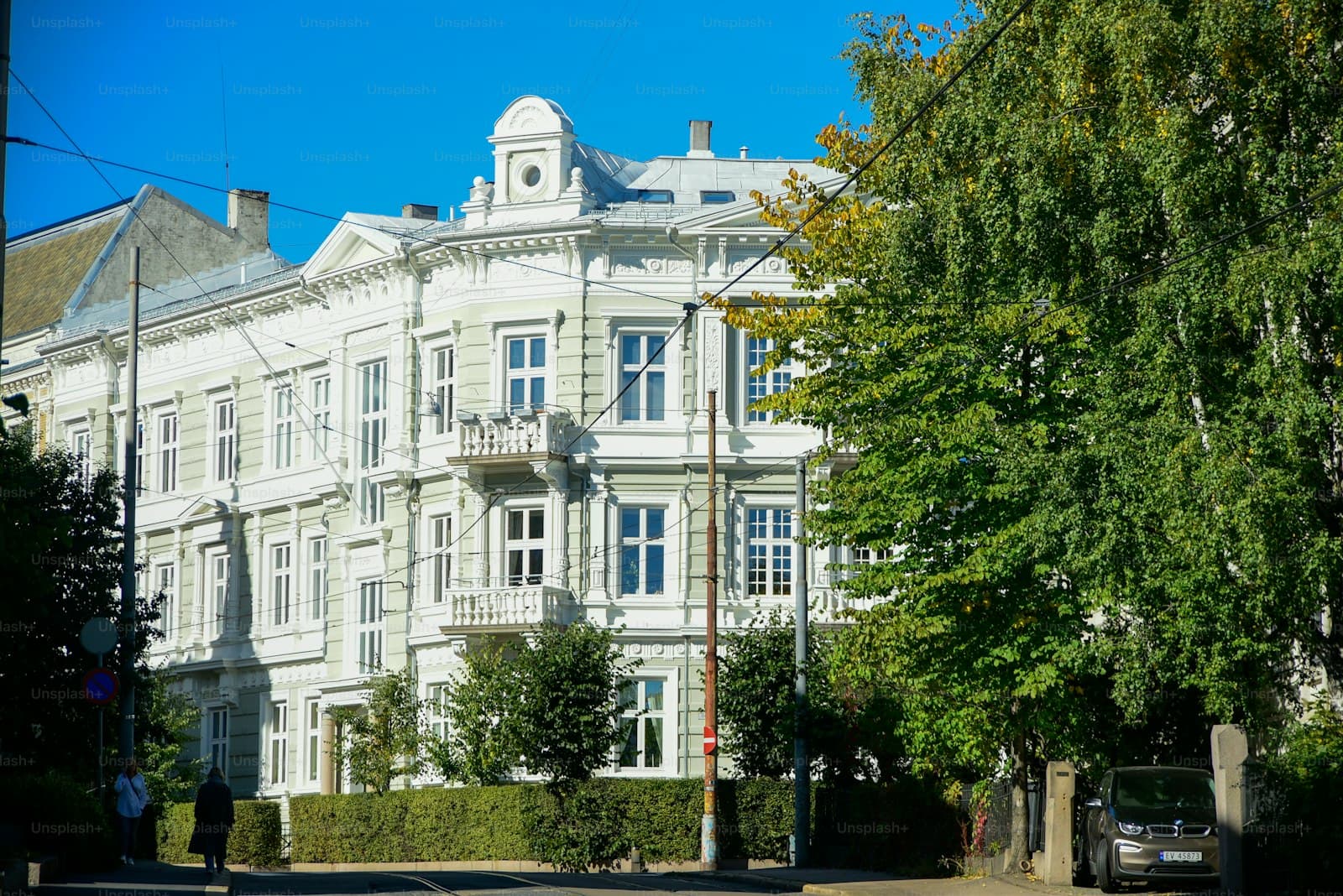
Everyone tells you how to pick a house. Almost no one tells you how to pick a neighbourhood.
There is endless advice on choosing a house and making the right offer, and almost none on choosing the neighbourhood, which matters far more for appreciation, livability and how much you enjoy living there. A framework for choosing the area first.
On this page6
Search for advice on buying a home and you will drown in it: how to spot a good house, how to read a survey, how to make an offer that wins, how to negotiate the price down. Now search for how to choose the right neighbourhood and the shelf is nearly bare. This is strange, because the neighbourhood is the bigger decision by far. The house is where you will change the kitchen. The neighbourhood is what will make or lose you money, shape your daily life, and decide whether you are actually glad you moved.
Here is a way to think about choosing the area first, and choosing it well.
Why the neighbourhood is the bigger decision
The neighbourhood works on you in three ways at once, and all three outlast the house. It drives appreciation, because location, not the paint colour, decides how your home's value moves over the years. It sets your livability, the commute, the walk to school, the daylight, the noise, the everyday errands, the things that quietly fill your days. And it decides your enjoyment, the harder-to-measure sense of belonging that turns a property into a home. Get the house wrong and you renovate. Get the neighbourhood wrong and you either move again or make your peace with it.
You can change almost everything about a house and almost nothing about its neighbourhood. So choose the thing you cannot change first.
Choose the area before the house
The usual order is backwards. Most people fall for a house, then talk themselves into its street. Flip it. Decide where you want to live first, shortlist two or three areas that genuinely fit, and only then look for the best home you can afford inside them. It feels slower, and it is worth it, because a merely good house in the right neighbourhood beats a perfect house in the wrong one on every measure that lasts. When the area is right, an ordinary home becomes a good decision. When the area is wrong, no amount of house saves it.
What actually matters when choosing a neighbourhood
Weigh things by how permanent they are. The features you cannot change should carry the most weight, and the features you can should carry the least:
| Weigh heavily (you cannot change it) | Weigh lightly (you can) |
|---|---|
| Location and how you get around | The kitchen and bathrooms |
| School quality and how places are allocated | Wall colours and flooring |
| Safety and how the streets feel | Fixtures and fittings |
| Daylight, noise and green space | Furniture and staging |
| Where the area is heading over ten years | Minor layout tweaks |
Almost every regret in home buying comes from getting this weighting wrong: paying up for a beautiful kitchen in a tiring location, when the sensible move was a plain kitchen in a place that keeps giving. Transport, schools, safety, everyday livability and trajectory are the things that compound. The finishes are the things you will redo anyway.
Match the neighbourhood to your life, not a ranking
There is no single best neighbourhood, only the best one for you. A lively, walkable, nightlife-heavy district is a dream for one person and a nightmare for another. A quiet family suburb is security for one buyer and boredom for the next. Be honest about how you actually live: how you commute, whether you want neighbours you know or privacy you keep, how much you value a buzzing high street versus a calm one. A neighbourhood that fits your real life will keep paying you back long after the novelty of a nice house has worn off.
Then, and only then, pick the house
Once the area is right, all the usual house advice finally earns its keep: judge the property, weigh the works it needs, and make a sensible offer. That advice is good, it is just been aimed at the second decision as if it were the first. Get the neighbourhood right and every one of those choices gets easier, because you are choosing between good outcomes instead of trying to rescue a bad location.
Know the area as well as you know the house
The reason people skip the neighbourhood is not that they do not care. It is that judging an area honestly has always been hard, scattered across sources that are thin, dated, or trying to sell you something. That is the gap Apraiz is built to close: an honest, independent view of what a home is worth, and, through our forthcoming Neighbourhood Insights, an equally honest read on the area itself, walkability, getting around, schools, safety, cost and quality of life, each with a source and a date.
For the practical next steps, read six questions to ask about a neighbourhood before you fall for the house and the right house in the wrong neighbourhood. When Apraiz opens near you, checking a home's value will be free. Join the waitlist to be first to know, and to hear when Neighbourhood Insights reaches your city.
Common questions
Should I choose the neighbourhood or the house first?
The neighbourhood, almost always. Decide where you want to live, shortlist two or three areas that fit your life, then find the best home you can afford inside them. A good house in the right area beats a perfect house in the wrong one on every measure that lasts, because you can change the house but not the neighbourhood.
What matters most when choosing a neighbourhood?
Weigh the things you cannot change the most: location and transport, school quality and how places are allocated, safety and how the streets feel, daylight, noise and green space, and where the area is heading over the long term. Weigh finishes like kitchens and paint the least, since you will redo those anyway.
Why does the neighbourhood matter more than the house?
Because it works on you in three lasting ways at once: it drives appreciation, since location decides how value moves; it sets your livability, from the commute to the daylight; and it shapes your enjoyment and sense of belonging. You renovate a house you got wrong, but a neighbourhood you got wrong means moving again or living with it.