
Long Story ShortReadHide
- What it is: the easternmost district, planned cooperative and social housing from the 1960s and 1970s beside the Limfjord and the meadows, with Aalborg University and Gigantium on its edge.
- Who it suits: families, students and value-seekers who want the cheapest homes in the city, green and coastal space, and the university close.
- What it costs: the cheapest owner-stock in the city, below the average; no separate figure is published, so we show the Aalborg average of about 24,000 kr per m², with much of the housing rented social or cooperative.
- What people complain about: it is the honest rougher end of the city, car- and bus-dependent, with thin local amenities beyond Tornhoj and City Syd.
First impressions
Aalborg Øst is the easternmost district, about six kilometres southeast of the centre, built as planned cooperative and social housing from the 1960s and 1970s, much of it now renovated. It is a demographically very mixed district beside the Limfjord and the Romdrup and Ostera meadows, with Aalborg University and the Gigantium arena on its edge and the City Syd and Tornhoj retail nearby. It is the honest rougher and outer area of the seven.
It is simple and practical, green and coastal, a diverse social-housing district with the university on its edge.
This is affordable, green, mixed living at the edge of the city, and it is honest about that mix.
Who lives here, and what the streets look like
Aalborg Øst is a diverse, family-oriented district, a mix of long-settled households, students near the university and a broad range of communities, with a working-class backbone. It is the city's most socially mixed area, and da.wikipedia notes it for its cultural openness.
The streetscape is low-density estates: renovated 1960s and 1970s cooperative and social blocks with big open lawns between them, the university and Gigantium on the edge, and the fjord shore and meadows close by. It is spread out and leans on the bus and the car.
Getting around
Aalborg Øst runs on the bus and the car. The +BUS bus rapid transit corridor and frequent NT service link it to the centre and the university, but the estates are low-density with big distances between clusters, so it is not a walk-everywhere district and everyday errands lean on driving. Aalborg Airport is about ten to twelve kilometres northwest via the tunnel, and the centre is about six kilometres west.
Typical weekday minutes from Tornhoj, with the icon showing how. Times via Google Routes API for a typical weekday around 08:00, measured from the neighborhood centre; the icon shows the fastest sensible way (walk, bike, transit or car)., 2026-08.
Daily life
Day to day, Aalborg Øst is Tornhoj and City Syd. Everyday shopping sits at Tornhøj Centret, with the big-box City Syd just south, and the university, Gigantium and the coastal green as anchors, but café-and-boutique life on the doorstep is limited. For food delivery, Wolt and Just Eat both cover Aalborg.
Local Places Worth Knowing
Independent and close by, chosen on merit. Nobody pays to appear here. Links are being confirmed.
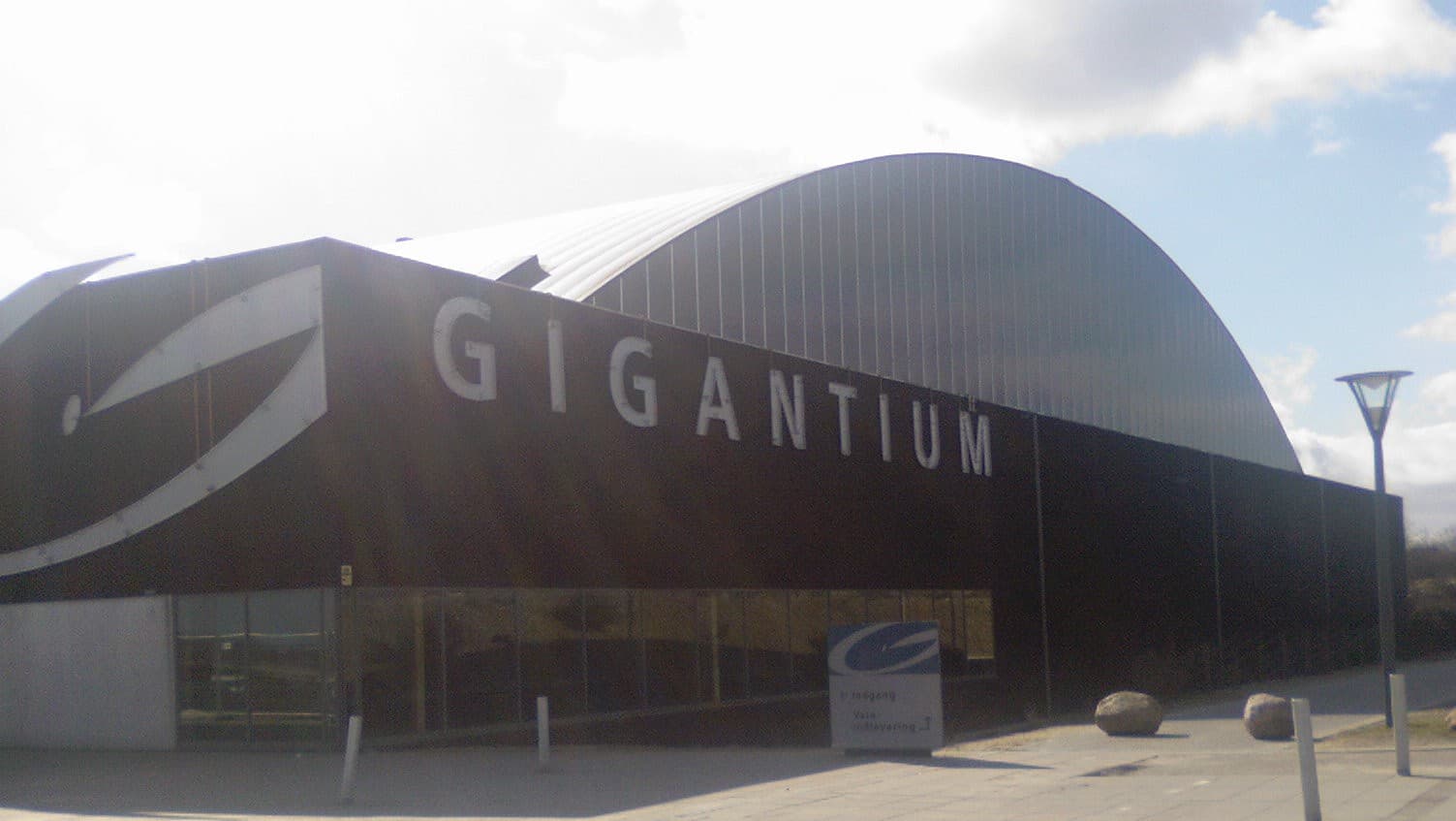
Aalborg's sports-and-culture arena and swimming complex at Willy Brandts Vej 31, hosting ice hockey, handball and concerts.
View on Google MapsThe district's local shopping centre and everyday retail anchor.
The café inside the Trekanten library and culture house at Sebbersundvej 2A, with a menu that changes daily and runs on mostly organic Danish produce.
View on Google MapsA pizza and kebab kitchen on the square in front of the Tornhoj centre at Tornhojvej 4C, open every day from eleven until nine, and the estates' everyday sit-down and takeaway option.
Checked August 2026. Places close and change, so tell us if something here is out of date.
Schools and families
Aalborg Øst is a family district where school-catchment research especially pays off. Its primaries are Mellervangskolen, Tornhojskolen and Herningvej Skole, with Aalborg University on the doorstep. Denmark publishes school leaving marks through the Borne- og Undervisningsministeriet, but not at a per-district grain, so we do not rate schools here, and it is a district where checking the individual schools is especially worth doing. It is worth checking admission before you sign a lease or purchase.
Kids Friendly. Family-oriented with several schools, big green and coastal space, sport at Gigantium and the university close; the caveat is that the honest social-mix profile means school-catchment research matters here.
Pet Friendly. Unusually green for a social-housing district, the Limfjord shoreline, the Ostera and Romdrup meadows and big open lawns between the blocks give ample walking; standard Danish lead rules apply.
Green space, leisure and eating out
Aalborg Øst's outdoors is unusually generous for a social-housing district. The Limfjord shore, the Ostera and Romdrup meadows and the open estate greens give plenty of space, with sport and events at Gigantium and university life on the edge. Sit-down dining and nightlife are in the centre.
What it costs
Aalborg Øst has the cheapest owner-stock in the city, so it prices below the average, with much of the housing rented social or cooperative. No Aalborg Øst-specific sale price is published, so we show the Aalborg average of about 24 000 DKK / m² (about €3,200 / m²) ≈ $340 / sq ft (Boligsiden and Finans Danmark, 2026), and this district sits below it. Rent is set by the market rather than any official system, and Denmark does not publish a per-city two-room figure, so we show a market estimate of around 7 000 DKK / mo (about €900 / mo) (BoligPortal, 2026) as a guide for this large student city.
Weather and climate
Seasonal averages for Aalborg, one representative month per season. DMI 1991-2020 normals (Aalborg Airport); sunshine approximated from nearest DMI stations.
The honest downsides
Social-housing challenges. These are large 1960s and 1970s estates with a mixed socio-economic profile, and parts have historically appeared on the vulnerable-areas list, so this is the honest rougher end of the city; it is worth researching the specific estate and school before committing.
Car and bus-dependent and thin on amenities. The blocks are spread out, local café and retail choice is limited beyond Tornhoj and City Syd, and it is about a six-kilometre trip to the centre, so daily life leans on driving or a planned bus ride.
Crime and safety
Aalborg Øst is a lived-in family district, but honestly its larger social-housing estates carry a higher perceived and reported incidence than the leafy south-bank districts, and Denmark publishes crime only at kommune level, so no standalone figure exists. This is a fair note rather than a verdict, and much of the district is quiet and green. The fuller Aalborg picture is on the city safety page.
Is this you?
If you want the most affordable homes in the city, green and coastal space, and the university close, and you are happy to drive or take the bus and to research the specific estate and school, Aalborg Øst offers real value. If you want a walkable high street, a polished address or the centre at your door, another district will suit you better.
Want to know what homes here are actually worth?
Join the waitlistHow we source this
How we put this together. Gathered on the ground by our local field team and written up by the Apraiz research team. Every figure above carries its own source and date. The scores are not computed by the build; walking and transport will use open map and transit data first, then Apraiz's own model. We update prices quarterly, transport and amenities twice a year, and school data when the source publishes.
Sources: Boligsiden / Finans Danmark, BoligPortal, da.wikipedia, Danmarks Statistik, STRAF11.
Safety and crime in Aalborg →Nearby: Aalborg Midtby · Vestbyen · Vejgaard