Apartment, townhouse or detached: how property type shapes what a home is worth
Property type is one of the biggest drivers of value. How apartments, townhouses and detached homes compare, and how parking and garden size change the number.
On this page8
Two homes with the same number of rooms, on the same street, can be worth very different amounts. One of the biggest reasons is the type of property: whether it is an apartment, a townhouse, or a freestanding home, and what comes with it, like parking and a garden. Before you buy or sell, it helps to understand how much the type alone moves the value.
This is a plain guide to how property type shapes value across Europe, and how features such as enclosed parking and outdoor space add to, or subtract from, the number.
Why does property type matter so much?
Type is really a bundle of things buyers pay for: space, privacy, land, and running costs. A freestanding house sits on its own land and shares no walls, so it usually commands the highest price. An apartment shares a building and land with others, which lowers the entry price but adds service charges. Everything in between, like terraced and semi-detached homes, sits on that scale.
Property type is not just a label. It bundles space, privacy, land and running costs, which is why it moves value more than almost any other single factor.
Apartments and flats
Apartments are usually the most affordable way into a market, which makes them popular in cities. Value is driven less by the type itself and more by the details: the floor it is on, whether there is a lift, the usable square metres, the outlook, and the monthly service charge. Two flats of the same size can differ a lot in value if one is a bright top floor with a lift and the other is a dark ground floor without one.
Townhouses, terraced and semi-detached
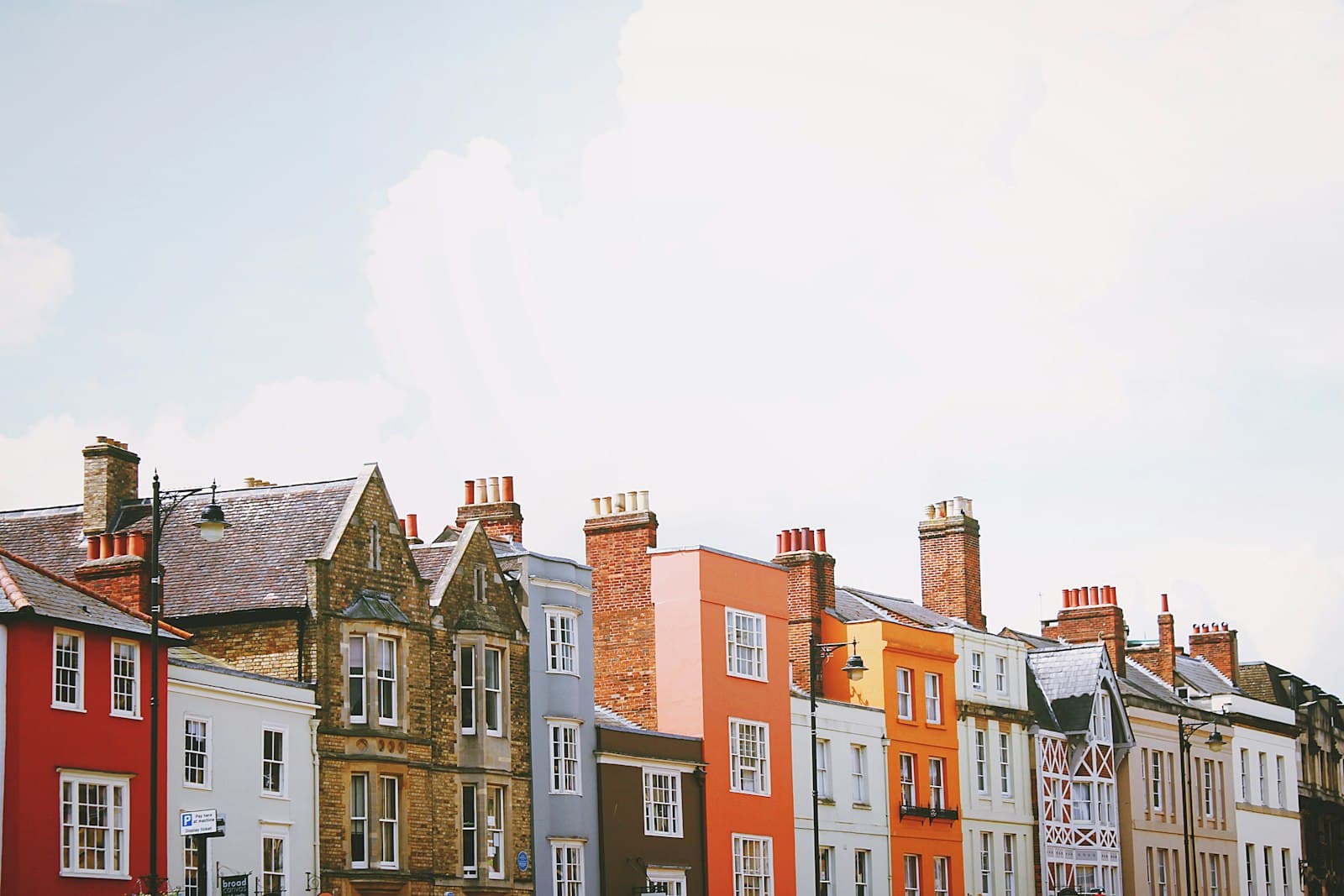
Between flats and detached homes sits a whole range of houses that share one or two walls. A terraced house shares both sides; a semi-detached shares one. They offer more space and often a private garden, usually for less than a fully detached home. They are a sweet spot for many families: more room than a flat, at a lower price than standing entirely alone.
Detached, freestanding homes
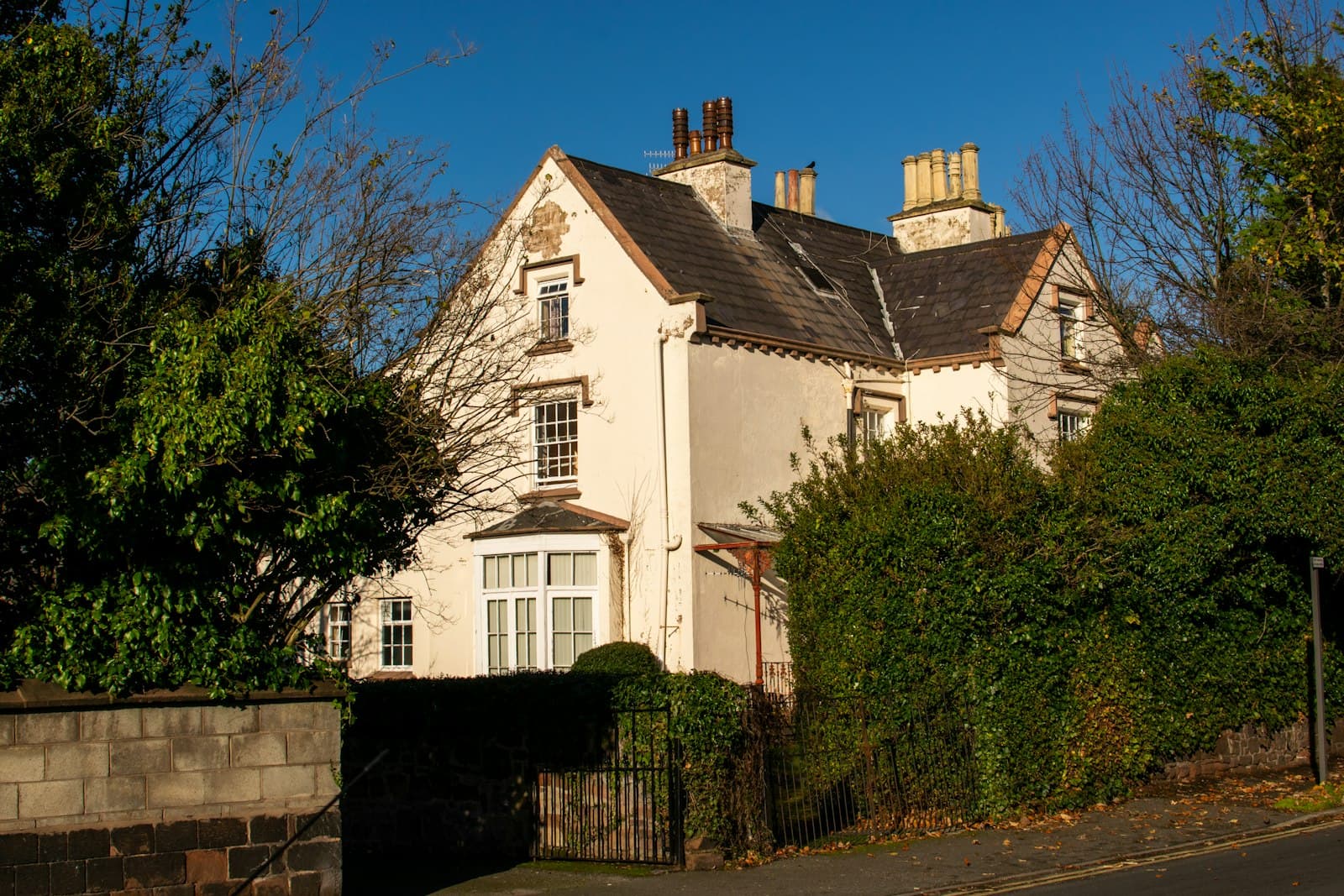
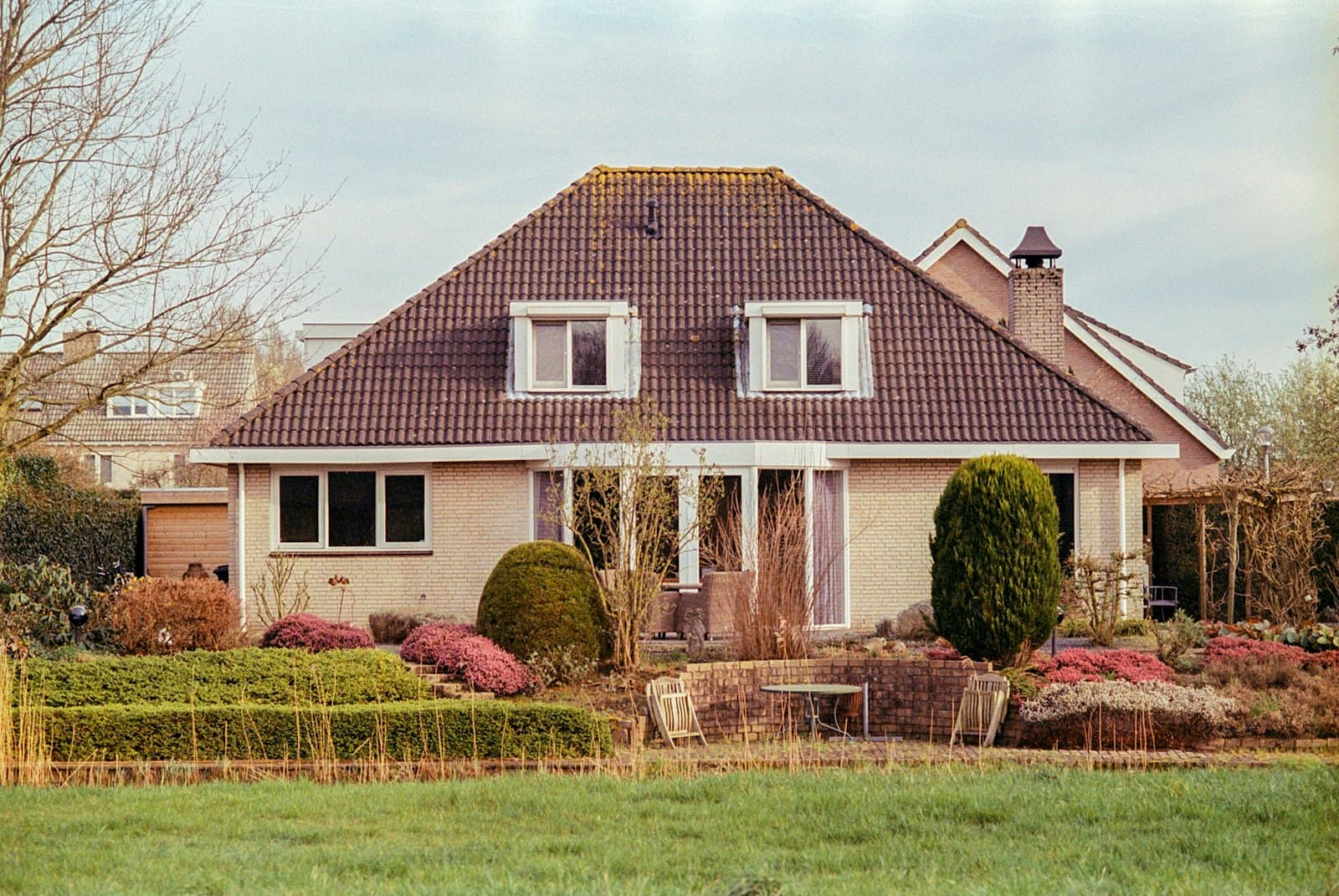
A detached, freestanding home is the premium end for most streets. It shares no walls, offers the most privacy, and, importantly, sits on its own plot of land. Much of the extra value is really the land value. The bigger and more usable the plot, the more that adds, especially where land is scarce.
Parking: a garage, a driveway, or nothing
Parking quietly moves value more than people expect, and it matters most where it is hardest to find. An enclosed, secure garage adds the most, because it protects a car and can double as storage. Off-street parking, like a private driveway, adds less but is still valued. Having no parking at all can hold a price back in dense cities and car-dependent suburbs, where a guaranteed space is worth real money.
Gardens and outdoor space
Outdoor space is one of the clearest value-adders, and size and privacy both count. A private garden is worth more than a shared or communal one, and a larger, usable garden adds more than a narrow strip. Beyond size, buyers pay for how it feels: sunlight through the day, privacy from neighbours, and whether it is level and easy to use. A well-kept garden of a good size can lift a home above others of the same type.
How the pieces add up
| Type or feature | Typical effect on value |
|---|---|
| Apartment (flat) | Entry-level; driven by floor, lift, size and service charge |
| Terraced or townhouse | Mid-range; more space than a flat, shares both walls |
| Semi-detached | More privacy and space, shares one wall |
| Detached, freestanding | Premium; own land, full privacy, no shared walls |
| Enclosed garage | Adds the most parking value, strongest in cities |
| Driveway or off-street space | Adds value, less than a garage |
| No parking | Can hold value back in dense or car-dependent areas |
| Private garden | Adds value; larger, usable, private gardens add more |
| Shared or no garden | Less than private outdoor space |
Know the number for your exact home
These are the patterns, but your home is specific: its type, its parking, its garden, and its street all combine into one value. That is exactly what Apraiz is built to give you: one clear, independent number based on current appraisal standards, with no agent talking it up or down. Instead of guessing what your type is worth, you see it.
For the full list of what moves a price, read what affects your home's value, or start with how much is my home worth. When Apraiz opens near you, checking that value will be free. Join the waitlist to be first to know.
Common questions
Which property type is worth the most?
For a given size and location, a detached, freestanding home usually carries the highest value, because it sits on its own land, shares no walls, and offers the most privacy. Apartments are typically the most affordable, with townhouses in between.
Does a garage add value to a home?
Usually yes. An enclosed, secure garage adds the most parking value, especially in cities where spaces are scarce, because it protects a car and adds storage. A driveway adds less, and having no parking can hold a price back in dense areas.
Does garden size affect a home's value?
Yes. A private garden is worth more than a shared one, and a larger, usable, private garden adds more than a small or awkward one. Sunlight, privacy and how level it is all matter too.
How much does property type change the value?
It is one of the largest single factors. Two homes with the same rooms on the same street can differ significantly in value purely because one is a flat and the other is detached with its own land.